The 9DBs is a new conceptual framework and global theory of waste and development. It builds on the Integrated Sustainable Waste Management (ISWM) analytical framework to help characterise Waste and Resources Management (WaRM) systems in cities and countries. The early DBs reflect stepwise improvement towards the new baseline of meeting the SDG 11.6.1 indicators of universal collection and management in controlled facilities (DB5); while later DBs represent two prevailing routes to move towards environmentally sound management and the 3Rs (Reduce, Reuse, Recycle). An aspirational DB Zero sits above all 9 DBs, accessible via multiple pathways, posing an ultimate challenge for development practice. The 9DBs contextualise the challenge of meeting the waste-related SDGs, in particular for developing countries striving towards SDG 11.6.1 but also for all countries aspiring to a circular economy. Whether you are a practitioner, decision-maker, service provider, or sector activist, the 9DBs will help you to identify the key pressure points for catalysing change, and focus your time and resources on achieving maximum impact.
An initiative by UN-Habitat that invites cities that commit to a set of Key Principles to join and receive assistance towards becoming Waste Wise Citiesthrough:
Sharing knowledge and good practice on Municipal Solid Waste (MSW) Management
Facilitating city-to-city collaboration on MSW Management
Providing focused technical assistance on MSW Management
Supporting city administrations in monitoring and reporting on Municipal Solid Waste Management
Recognising the achievement and success of cities in their efforts to become “Waste Wise Cities”.
A rapid assessment tool for mapping waste flows and quantifying plastic leakage potential in cities. The WFD aims to:
Provide a rapid assessment of a cities or municipalities municipal solid waste management system and visualise the flows of waste, including informing the SDG 11.6.1 sub-indicators
Use observational based assessments to quantify the sources of plastic leakage into the environment and determine the fate of this uncontrolled waste
Identify high-priority sources of plastic pollution
Allow benchmarking and comparison between cities
Run scenarios to gain insights into how proposed interventions may impact the solid waste management system and plastic pollution
Quantify the effectiveness of applied interventions
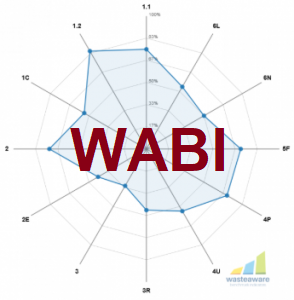
A tool that enables the performance of the municipal solid waste management and recycling system in a city, municipality or group of municipalities (collectively referred to as ‘a City’) to be assessed in a standardised manner. The primary purposes are:
to allow a City to assess its own performance regarding delivery of solid waste management services;
to provide information for decision-making on priorities for the limited funds available for service improvements, by identifying both local strengths that can be built on and weak points to be addressed; and
to monitor changes over time.
In addition, using a standardised indicator set allows benchmarking against the performance of similar Cities, within a country or in different countries, on a consistent basis. The Wasteaware indicators have been designed specifically to be applicable to Cities in all countries, irrespective of income level.